09th October 2026
Digital Health Coffee Time Briefing ☕
Read More >>

29th July 2026
Milk and egg are the most common food allergies amongst babies and toddlers in the UK, affecting 2-3% of this age group. Approximately 70-80% of children will outgrow their milk allergy by the time they start school, and for egg the stat is approximately 50%.
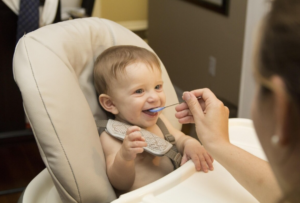
However, as early introduction of allergens into a child’s diet can help prevent food allergies, Hannah Kramer, Clinical Nurse Specialist at The Allergy Centre of Excellence (ACE) – the first specialist allergy hospital in the UK, founded by Professors Lack, Du Toit and Fox – explained the when to introduce children to different food allergens.
Hannah added: “There are two groups of children to consider when we answer this question… Firstly, there are babies that are low risk, these are babies with no eczema, and no history of allergic reactions, and in fact, babies with a parent or sibling who has allergies fall into this low-risk group too. For this group of babies, the guidance recommends introduction of solid foods when your baby is ready, around 6 months of age. Egg and peanut butter should be introduced from 6 months, along with any other allergens regularly eaten by your family (such as wheat, other nuts, dairy foods, fish or seafood).
“Secondly, we have the babies who are at slightly higher risk of having food allergies, these are babies who have eczema (particularly those with significant levels of eczema requiring steroid creams), and babies who have potentially had a food allergic reaction. For these babies we can recommend introducing allergenic foods slightly earlier, if they are ready, from 4 months of age. Starting with cooked egg and peanut butter, and once introduced moving through any other allergenic foods eaten by your family (as already listed above)”.
The Allergy Centre of Excellence (ACE) is a leading institution dedicated to providing personalised care for children with food allergies. Founded by Professors Adam Fox, George Du Toit, and Gideon Lack, internationally recognised leaders in paediatric allergy, the centre is built on a foundation of groundbreaking research and clinical excellence. Their work has helped shape the largest specialist allergy service in the UK, ensuring that families receive the most advanced and effective treatments available.
Its new centre in the Harley Street Health District – at 10 Duchess Street – is the first hospital in the UK to offer a variety of cutting-edge diagnostic tests and treatments for adults and children who have allergic disorders. The centre specialises in Oral Immunotherapy (OIT), also known as Oral Tolerance Induction (OTI), a carefully controlled treatment that involves gradually introducing allergens to increase tolerance. This evidence-based therapy is designed to reduce sensitivity and the risk of severe reactions, helping children and their families manage food allergies with greater confidence. Treatments are available for almond, Brazil nut, cashew, chickpea, coconut, hazelnut, milk, red lentil, pea, peanut, sesame, walnut, wheat, and egg (will be added), with each programme designed to meet the specific needs of the child.
Safety is the cornerstone of the Allergy Centre of Excellence. Recognising the need for rigorous safety measures required in allergy care, the centre has a high dependency unit and on-site paediatric intensive care specialists.